
Outsmarting NMOSD: My Intentional Tech Toolkit
Living with a chronic illness like NMOSD means becoming an expert in your own body, sometimes whether you want to or not. Between managing symptoms, coordinating doctor appointments, remembering medications, and balancing everyday life, it can feel like a full-time job. While clinical portals and online medical charts are useful, being truly “tech-enabled” goes far beyond simply checking lab results online.
Why being tech-enabled goes beyond online medical portals
Over the years, technology has become one of the biggest tools in helping me navigate life with NMOSD. Not because it replaces doctors or support systems, but because it helps me maintain independence, conserve energy, and stay connected to my health in ways I never expected.
When I was first diagnosed, I relied heavily on memory during appointments. I would try to remember when symptoms started, how severe they were, or whether my fatigue had worsened over time. Brain fog and exhaustion made that difficult. Eventually, I started using apps on my phone to track symptoms, medications, sleep patterns, pain levels, and relapses. That small change made a huge difference.
How symptom tracking apps help communicate with your neurologist
Some symptoms fluctuate so gradually that you don’t realize how much things have changed until you look back over weeks or months of data. Tracking apps provided me with the reminders of telling doctors what I was really experiencing. They helped me recognize patterns that otherwise would have missed, like worsening fatigue before infusions, increased pain during periods of stress, or poor sleep before flare-ups. It also helped me communicate more effectively with my neurologist because instead of saying, “I think I’ve been struggling more lately,” I could explain exactly what had changed and when.
I’ve learned that symptom tracking isn’t about obsessing over illness. It’s about awareness. It gave me the confidence to live with a chronic disease and to use the tools to advocate for myself more confidently.
Using wearable technology and smartwatches to monitor NMOSD symptoms
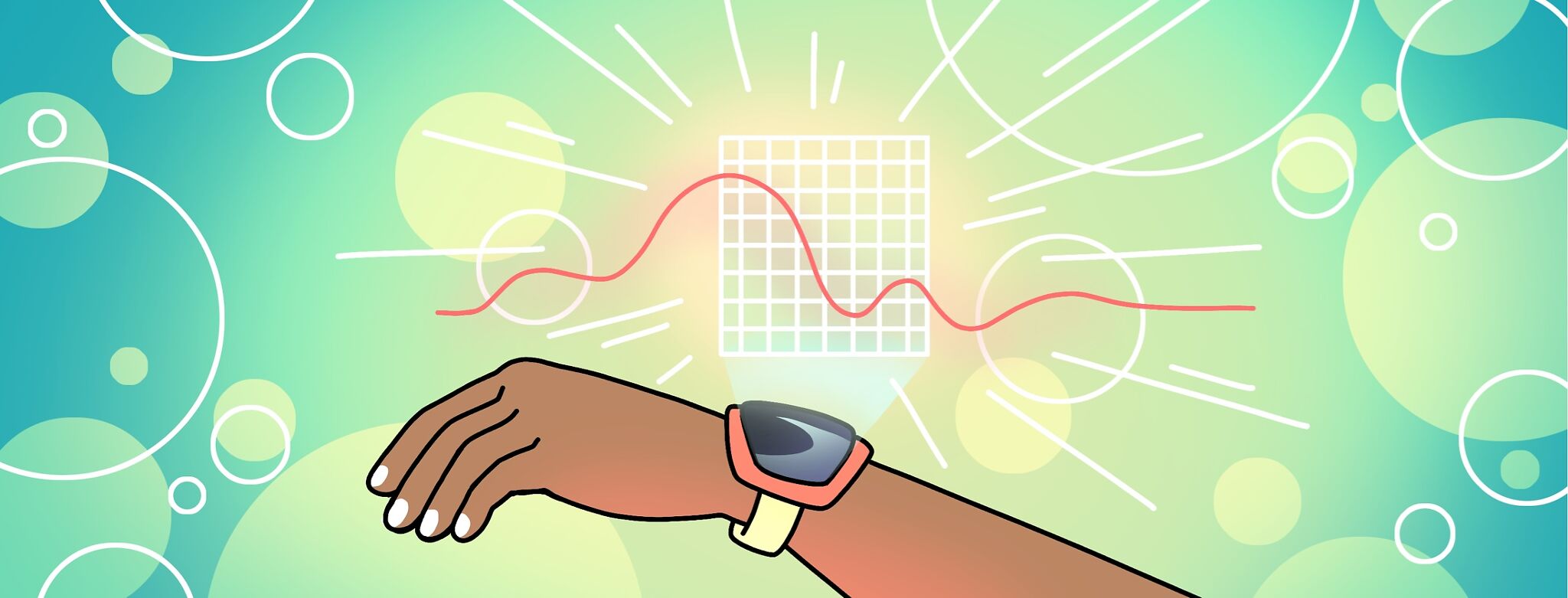
Wearable technology has also become surprisingly important in my daily life, like my smartwatch. Before becoming disabled, I never imagined I would care about step counts, heart rates, sleep scores, or stress notifications. But smartwatches and health wearables can provide valuable insight for people living with neurological diseases. There are days when my watch notices change before I consciously do. Elevated heart rates, poor sleep quality, increased stress readings, or decreased mobility can all be early signs that my body is struggling. Sometimes I’ll look at my data and realize, “Okay…maybe I truly do need to slow down today."
That validation matters more than people realize. For those of us living with invisible illnesses, there’s often pressure to push through symptoms or minimize our struggles. Technology can sometimes serve as a reminder that rest is productive too.
Wearables have also helped me feel safer. As someone with mobility challenges, balance issues, and a couple of falls in my home, features like fall detection, emergency SOS alerts, medication reminders, and location sharing provide peace of mind not only for me, but for my family as well. Chronic illness can make you feel vulnerable, and anything that increases safety and independence becomes incredibly valuable.
Why everyday delivery apps are essential adaptive tools for fatigue
But being “tech-enabled” isn’t only about medical technology. Some of the apps that help me most are the ones people use every day without even thinking twice about them. Grocery delivery services, pharmacy delivery apps, online banking, ride-share apps, and even voice assistants have genuinely changed how I manage daily life with chronic illness.
There are days when fatigue hits so hard that going to a grocery store feels impossible. Days when pain or weakness makes cooking overwhelming. On those days, being able to order groceries, household essentials, medications, or even a prepared meal directly to my home is not “lazy” — it’s adaptive. It helps me preserve energy for the things that truly matter.
People often underestimate how exhausting basic tasks become when you’re living with a chronic neurological disease. Technology helps reduce some of that invisible workload. It allows me to maintain a sense of independence without constantly needing to ask others for help.
Balancing the convenience of telehealth with in-person neurological care
Honestly, for many chronic illness patients, telehealth has been life changing. There have been times when getting dressed, transferring into the car, traveling to appointments, sitting in waiting rooms, and navigating inaccessible buildings required more energy than the appointment itself. Telehealth removes many of those barriers. It saves energy, lowers transportation stress, and makes specialist care more accessible, especially when your providers are hours away. For medication follow-ups, discussing lab work, reviewing symptoms, mental health check-ins, or asking simple questions, telehealth can absolutely be a lifesaver. On high-fatigue days or during periods where my immune system is compromised, being able to speak with my doctor safely from home has been very valuable.
But I’ve also learned that there are moments when virtual care simply isn’t enough.
If I experience new neurological symptoms, severe weakness, vision changes, worsening mobility, breathing difficulties, or anything significantly different, I’ve learned to insist on in-person care. No camera can fully replace a neurological exam. Doctors need to assess strength, coordination, reflexes, and gait in person to catch subtle but important changes.
Technology is incredible, but it should never replace listening to your instincts.
Being “tech-enabled” doesn’t mean becoming consumed by data or dependent on gadgets. For me, it means using technology intentionally, as a support system rather than a replacement for human care and connection.
Living with NMOSD has forced me to adapt in ways I never imagined. Technology has made it easier and more manageable to navigate life. It has helped me stay organized, conserve energy, advocate for myself, and maintain independence in a world that often isn’t designed for disabled or chronically ill individuals. Sometimes the right app, device, or virtual appointment isn’t just convenient, it’s the difference between surviving the day and actually living it.
Join the conversation